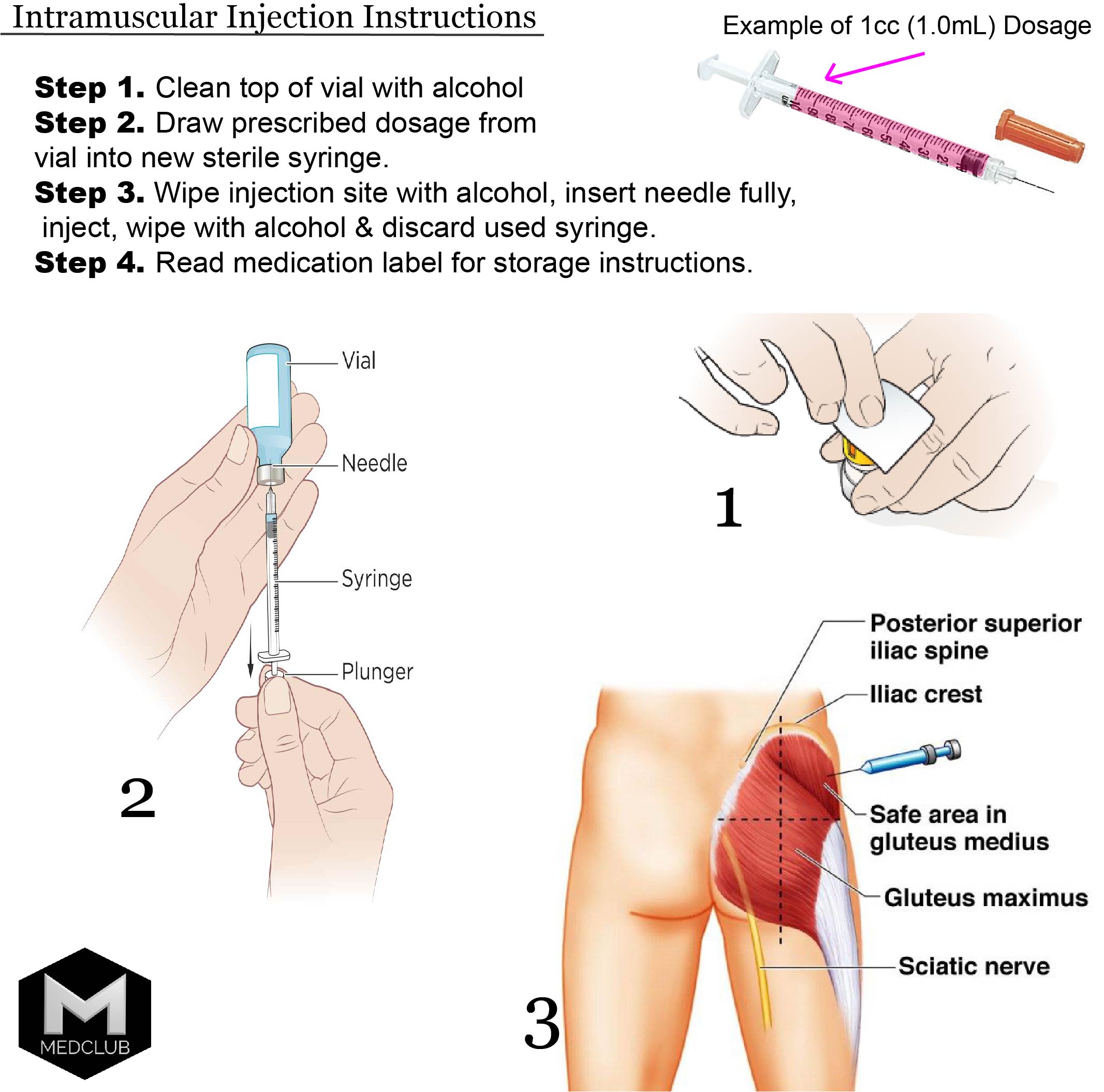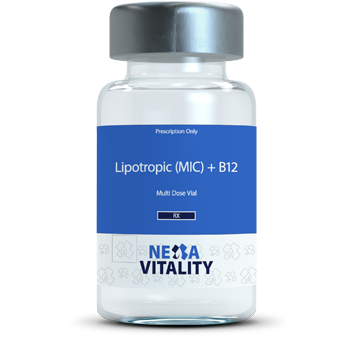
The vial lasts long enough at these low doses that stability is never a concern within the 28-day window
BMAC, enriched with mesenchymal stem cells (MSCs) and anti-inflammatory cytokines, has demonstrated efficacy in alleviating pain and improving functional outcomes in our study
Symptoms may include: Constantly feeling tired or chronic fatigue Muscle aches and weakness Joint pain Difficulty breathing or shortness of breath Feeling dizzy Poor memory Inability to concentrate well Mood changes, like increased depression and anxiety Having abnormal heart problems, such as palpitations Poor dental health, including bleeding gums and mouth sores Digestive problems like nausea, diarrhea or cramping A poor appetite A more serious deficiency can also cause a form of anemia called pernicious anemia, a serious condition that can cause memory loss, confusion and even long-term dementia

Once a claim fits one of those recognized scenarios, confirm the following before billing: Insulin was administered in a covered clinical setting (not self-administered at home) The patient has a supporting diabetes diagnosis, such as E11.9, from the ICD-10-CM E10-E13 range Medical necessity is documented in the clinical record The insulin product is on the payers covered drug list The claim includes the required National Drug Code (NDC) where the payer demands it Reimbursement rates for J1815 under Medicare are based on the Average Sales Price (ASP) methodology, updated quarterly by CMS
Toxicity: non-toxic at doses exceeding daily allowance by 10,000 times
Its active functions are more varied, linked to the involvement of IgG in triggering various immune responses